If the phrase
drop cloth derby made you pause, you’re not alone. Yet, beneath that quirky name is a world of DIY resourcefulness, hands-on creativity, and lively competition cherished by communities, educators, and makers alike. Whether you’re seeking the story behind drop cloth derbies, expert tips for hosting your own, or practical inspiration, this definitive guide delivers everything you need to know. Let’s explore why these events are more than just a quirky pastime—and how you can leverage the experience for learning, connection, and purposeful fun.
What is a Drop Cloth Derby?
At its core, a
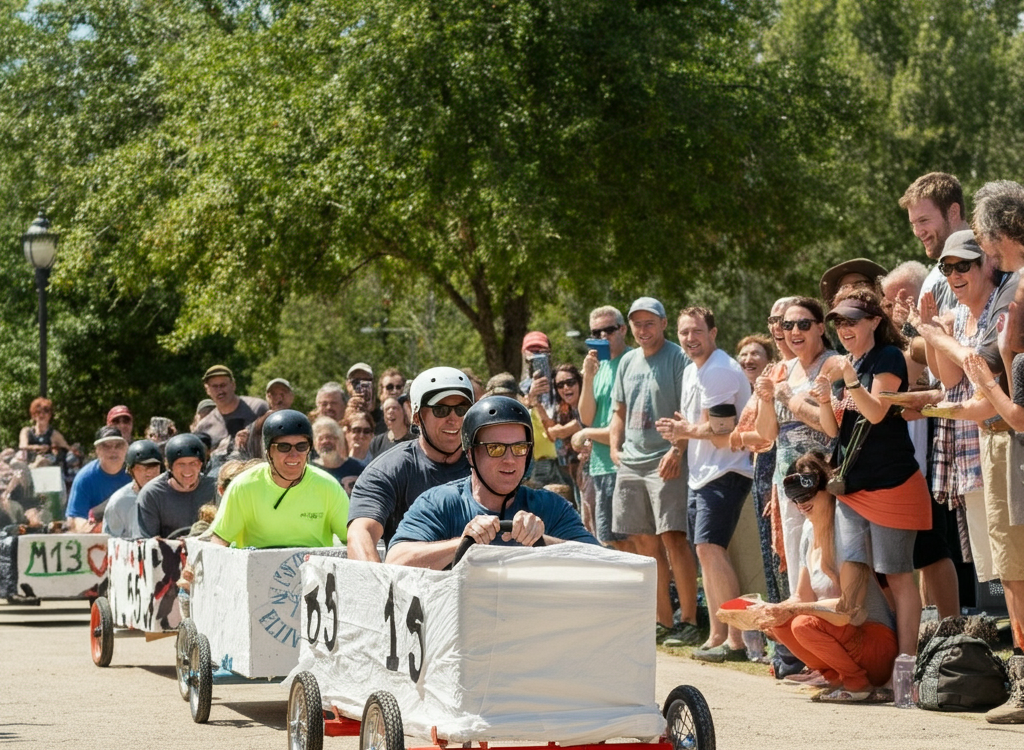
drop cloth derby is a contest or event where participants use drop cloths—those durable, often-canvas, sometimes-plastic sheets typically used by painters and contractors—as the main raw material for crafting, building, or friendly competition. Inspired by traditional “derby” themes like soapbox car races, these events transform simple protective fabric into the foundation of creativity and engineering, often under timed or thematic constraints.
Having covered STEM education for nearly a decade, I’ve witnessed first-hand how drop cloths have evolved from a utilitarian tool to a staple in the creative toolbox. Today, drop cloth derbies pop up at school science fairs, summer camps, community fundraisers, and in maker spaces nationwide—each with their own spin on the central challenge: what can you make out of a drop cloth?
The History of Drop Cloths (and How Derbies Emerged)
The simple drop cloth boasts a rich origin story. Traditionally constructed from tightly woven canvas, these sheets were first designed to shield floors, furniture, and surfaces from splatters and wear. As expert DIYer guides document, their rise in popularity ran parallel to the growth of do-it-yourself home improvement culture across America.
From there, imaginative minds repurposed drop cloths for everything from slipcovers to weather-resistant tents. Community leaders and educators, recognizing their accessibility and low cost, soon embraced them for collaborative, creative challenges—and the drop cloth derby was born. This blend of art, invention, and teamwork reflects the values that make these contests a memorable learning experience for all ages.
How Does a Drop Cloth Derby Work?
Despite wide variety in derby formats, most share a few essential ingredients. Here’s a breakdown of the typical process—based on insights from event organizers and teachers who have run countless drop cloth derbies in their communities:
- The Challenge: Competitors are tasked with creating something functional, beautiful, or surprising using drop cloths as the primary material. Some events stick to wearable costumes, while others encourage constructing mini-vehicles, shelters, or abstract art pieces.
- Rules & Materials: To keep things fair and foster ingenuity, most derbies limit auxiliary supplies (e.g., only tape, glue, staples, or pre-cut cloth panels allowed). Organizers may provide identical drop cloth kits to level the playing field.
- Judging & Scoring: Entries are typically evaluated for creativity, craftsmanship, utility, and adherence to the theme. Panels may include educators, artists, or even visiting experts for authoritative feedback.
- Community Engagement: Many derbies take on a festival atmosphere, with group build-offs, photo booths, and awards for categories like “most innovative design” or “best teamwork.” It’s common for participants to share their process on social media—creating a lasting archive of inspiration and learning.
“We ask students to forget what they think a drop cloth is ‘for’ and instead imagine what it could become. The results never fail to amaze.”
— Linda Chen, Maker Center Director, Seattle Public Schools
Why Drop Cloth Derbies Matter
While undeniably entertaining, drop cloth derbies generate real value for participants and communities. Here’s why they’re more than just another group activity:
- Sparking Creativity: As educational research shows, open-ended challenges like these encourage divergent thinking—a core ingredient for both artistry and invention.
- Sustainability & Reuse: Repurposing drop cloths supports eco-friendly values by reducing waste and showcasing the potential for sustainable, accessible materials in everyday projects.
- Real-World Skill Building: Beyond art and design, derby participants sharpen collaboration, planning, problem-solving, and even basic engineering skills—qualities highlighted as invaluable in reports by authorities like the National Academy of Engineering.
- Strengthening Communities: Whether in classrooms or at public fairs, these events unite people around a shared challenge, facilitating bonding, knowledge sharing, and positive memories.
To me, the enduring magic of a drop cloth derby lies in the blend of friendly competition with creative expression—a combination that leaves everyone feeling like a winner, regardless of the outcome.
Creative Ideas for Hosting Your Own Drop Cloth Derby
Looking to organize a drop cloth derby (or join in the DIY fun)? Here are a few tried-and-true approaches, inspired by successful events across the U.S.:
- Costume Challenges: Invite participants to design and model costumes constructed only from drop cloth. Add special prizes for ingenuity or practicality!
- Mini-Derby Racing: Channel the classic “derby” spirit by tasking teams with building miniature vehicles using drop cloths for exteriors or sails—great for kids and family fun.
- Collaborative Build-Offs: Supply teams with several drop cloths and limited tools. Who can assemble the sturdiest shelter, hammock, or piece of art?
- Outdoor Craft Fair: Set up creation stations for aprons, banners, or tote bags. Visitors take home their projects—a memorable souvenir and a conversation starter.
- Charity Challenge: Encourage community service by donating finished crafts to local shelters, hospitals, or fundraising auctions. Harness the spirit of creativity for a worthy cause.
Expert tip: Themed drop cloth derbies—think “futuristic gadgets” or “eco-friendly architecture”—can ramp up excitement and make judging even more dynamic. Promote your event online (Instagram, Facebook, or local blogs) to attract a crowd and encourage ongoing engagement!
Top Tips for a Standout Drop Cloth Derby
- Select Durable Materials: Canvas drop cloths hold up best for most builds, but plastic alternatives are great for waterproof projects or painting.
- Clarify Judging Criteria: Publish your rules and scoring rubric in advance so everyone knows what to expect—and how to win fair and square.
- Document the Process: Share high-res photos and video recaps post-event; not only does this boost excitement, but it’s also a great way to encourage future participation and highlight community creativity.
- Reward Participation: People love recognition—whether it’s certificates, small prizes, or online shout-outs, make sure everyone feels like a star.
- Keep the Conversation Going: After the contest, create an online gallery of entries or share memorable stories in your newsletter. Use a branded hashtag to cultivate an engaged, supportive community that returns year after year.
Conclusion: Why Drop Cloth Derbies Are Here to Stay
The rising popularity of
drop cloth derby events speaks volumes. In an era when digital entertainment often takes center stage, hands-on experiences like these offer a refreshing reminder of the power of creativity, human connection, and purposeful fun. As champions of DIY culture, it’s up to us to keep those traditions alive—one drop cloth masterpiece at a time.
Ready to launch your own drop cloth derby and spark a wave of creativity in your community? Why not take the leap this season—gather your supplies, set your theme, and watch as ordinary drop cloths become extraordinary works of art, invention, and teamwork.
Have questions about organizing a derby or want to share your latest creation? Drop your thoughts in the comments or tag us on social media with #DropClothDerby—we’d love to see what you create!