Sodziu is more than a word; it’s a living testament to Lithuania’s rural roots and enduring traditions. Shaped over centuries, sodziu captures the rhythms of village life, celebrating a powerful bond with land, family, and culture. Whether you’re passionate about folk heritage, history, or today’s sustainability movement, the story of sodziu offers wisdom and inspiration that’s as relevant now as it ever was.
If you’re searching to truly understand the “sodziu” concept, its origins, and present-day importance, you’ve landed in the right place. Dive in as we explore this fascinating way of life—with stories, expert context, and practical tips that are anything but generic.
What Is Sodziu?
At its heart,
sodziu (pronounced
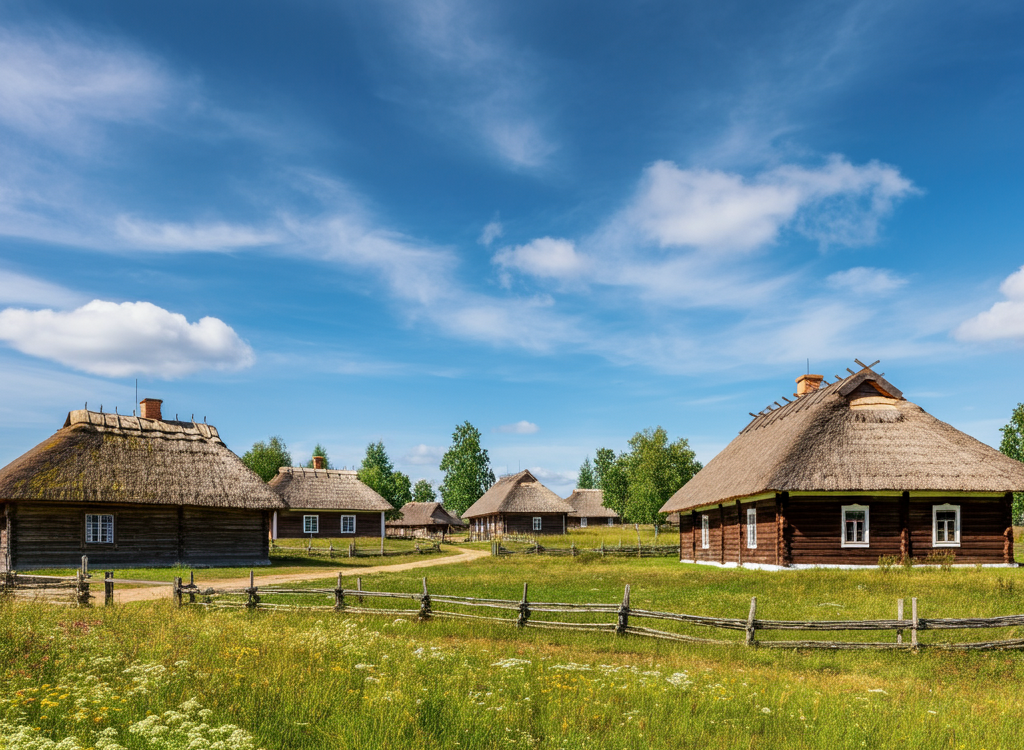
sow-joo) refers to a traditional Lithuanian village or rural homestead. Unlike impersonal city living, sodziu is built on relationships—with the earth, with neighbors, and with family history. Typical sodziu communities are clusters of homes, barns, gardens, and wells, all nestled within fields or beside winding rivers. It’s both a physical space and a cultural symbol.
- Homesteads built from hand-hewn wood, hugged by vegetable gardens and small orchards
- Distinctive architecture, featuring intricately carved gates and welcoming entrances
- A self-sufficient lifestyle, where people farm, forage, raise animals, and create handmade goods
Importantly, sodziu is about more than structures or landscapes—it’s about the spirit of the people who live there. Generations have passed down traditions, battling hardship and change, yet always keeping the Lithuanian identity alive. From bustling harvest feasts to the quiet of daily chores, sodziu celebrates community, cycles of nature, and simple joys.
A Short History of Sodziu
To truly appreciate sodziu, let’s journey back in time. The concept springs from Baltic tribes who, over a thousand years ago, established villages around agriculture, folklore, and reverence for nature. These settlements weathered occupations, wars, and modernization—often acting as anchors for Lithuanian language and customs when external pressures threatened their existence. Oral tradition, storytelling, and seasonal festivals were not only daily experiences, but essential to national survival.
- Earliest sodziu villages were built with communal celebration at their core
- Through foreign rule, sodziu preserved unique stories, crafts, and cultural pride
- Even Soviet-era disruption couldn’t erase sodziu—from resistance to quiet perseverance, many traditions held fast
Today, sodziu is seeing a gentle revival—no longer just a relic, but something that appeals to modern seekers of meaning, connection, and mindful living.
The Cultural Significance of Sodziu
What sets sodziu apart? At its core, it represents the best of Lithuania’s values: resilience, kinship, and humility before nature. Ask any villager—life in a sodziu isn’t always easy, but it’s meaningful. Shared labor, seasonal rituals, and intergenerational gatherings provide a deep sense of belonging among residents.
Guardians of Tradition
Sodziu forms the backdrop for major Lithuanian festivals—take
Joninės (summer solstice) or
Kūčios (Christmas Eve), for example. These aren’t just holidays; they’re vibrant expressions of gratitude and joy, echoing ancient beliefs and connecting people to lands and ancestors.
Folk Art and Craftsmanship
The artistic spirit of sodziu shines through its woven sashes, wooden spoons, painted beehives, and embroidered linens. Many motifs—sun wheels, birds, or tree of life patterns—have roots in Baltic mythology and carry deeper meanings. This pride in handwork is tangible proof of the wisdom passed down by elders.
A True Community
Perhaps the greatest strength of sodziu lies in its social fabric. It’s hard to overstate the generosity, hospitality, and spirit of mutual support you’ll find in a real village. Need help with a roof, garden, or festival prep? Neighbors gather—even distant relatives. In a world that sometimes feels isolating, sodziu shows a better way:
we thrive together.
In my own travels through Lithuania, I’ve been welcomed into sodziu kitchens filled with fresh bread, sweet herbal teas, and laughter. Locals’ openness and pride in their way of life left me convinced: sodziu holds valuable lessons for us all, especially as we search for meaning beyond screens and schedules.
Modern Adaptations: Sodziu in Today’s World
While sodziu is rooted in ancient practice, it has not been left behind by modern life. Instead, it’s adapting and even flourishing as new generations embrace its teachings in creative ways.
Eco-Tourism and Hands-On Retreats
Curious travelers from around the globe are increasingly visiting Lithuania to experience sodziu firsthand. Restored village homes now host workshops—think sourdough baking, weaving, or natural dyeing—offering true immersion in slow living. Several sodziu communities invite guests to take part in harvests or celebrations, fostering understanding and respect for these deep-rooted customs.
Digital Storytelling and Preservation
Sodziu is quietly trending on social media. The #SodziuChallenge draws young creators to honor their roots with folk art, recipes, and personal stories. Tutorials for making cottages, preparing cepelinai, or weaving decorative bands are reaching wider audiences than ever. This digital revival is bolstered by passionate educators, folklorists, and even local governments.
A Return to the Land
There’s a growing movement of Lithuanians, especially young families, returning from cities to rural sodziu. They invest in small farms, organic gardening, and self-sufficiency, proving these traditional values are alive and practical. Their stories echo a timeless desire for slower, more meaningful living.
Sodziu’s Timeless Lessons in Sustainable Living
In an era of climate anxiety and resource depletion, sodziu offers proven answers. These villages embraced “green living” long before the phrase became popular. The guiding principles are simple: waste nothing, respect nature’s cycles, and focus on what truly matters.
- Minimize Waste: Composting, reusing, and clever hand-me-downs are sodziu staples.
- Biodiversity: Fields thrive with mixed crops, wildflowers, and bees—supporting resilience and natural pollination.
- Seasonal Eating: Sodziu dwellers eat with the land, savoring fresh berries in summer and root vegetables in winter.
- Handmade Quality: Rather than buying, villagers nurture skills that keep tools, clothing, and jewellery beautiful and long-lasting.
What’s striking is that these habits aren’t born of trendiness, but tradition. It’s a lesson in humility and hope for anyone striving to tread more lightly on the earth.
Frequently Asked Questions About Sodziu
What does “sodziu” literally mean?
It’s the Lithuanian name for a rural village, but it carries a much deeper association with communal living, mutual care, and connection to the cycles of nature.
How can someone experience sodziu today?
If you’re in Lithuania, consider booking a stay at a traditional homestead. Many offer workshops, guided walks, cooking classes, and the chance to join real celebrations. There are also increasingly active online communities sharing sodziu crafts and recipes worldwide.
Is sodziu relevant for modern lifestyles?
Absolutely. Whether you’re interested in sustainable living, mindfulness, or reconnecting with your roots, the principles of sodziu apply just as powerfully now. Its practical wisdom and genuine sense of belonging are timeless.
What should I look for as a real sodziu craft?
Hand-loomed sashes (juostos), carved wooden utensils, painted folk art, and home-baked bread are classics—often imbued with symbolic patterns or stories. Genuine items typically come from local family workshops, not factory lines.
Why does sodziu matter for Lithuanian identity?
Because it represents the soul of the nation—resilience, generosity, and a deep respect for life, land, and lineage. Sodziu is a living, breathing part of what makes Lithuania unique in Europe and the world.
Conclusion: Sodziu’s Place in Today’s World
Sodziu isn’t just a historical curiosity or a romantic memory—it’s a blueprint for grounded, joyful living in our fast-moving world. The values found in sodziu are real: from the taste of homemade rye bread to the laughter echoing from a shared festival, these moments foster belonging and meaning across generations.
By uncovering the stories and experience behind sodziu, we don’t just learn about Lithuania—we discover universal principles that can guide us toward richer, more thoughtful lives. If you’re looking for inspiration, or perhaps a roadmap for sustainable, community-focused living, sodziu holds plenty of answers.
Ready to explore more? Consider visiting a sodziu village, joining a workshop, or simply weaving some of its wisdom into your daily routines. Celebrate the small victories, connect with your own roots, and let sodziu show you how tradition and modernity can thrive together.